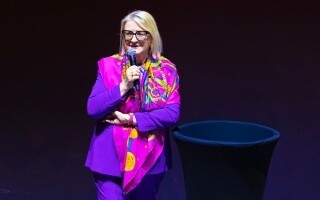
The CEO of the German National Tourist Board, Petra Hedorfer, confirmed that the Gulf Cooperation Council (GCC) countries have become one of the key pillars supporting Germany's tourism industry. She noted that the Gulf market now ranks third globally in importance after the United States and China, with a continuous growth in the number of visitors to Germany.
Hedorfer stated that the United Arab Emirates is the largest Gulf market for tourism to Germany, accounting for about 30% of Gulf tourists and approximately 46% of flights from GCC countries to German cities. In the future, we will continue to invest in innovative tools, digital engagement, and designed experiences to ensure every traveler from the Gulf feels welcomed and inspired when exploring Germany.
She also pointed out that about 40% of Gulf visitors travel to Germany for business purposes, while the rest come for tourism and leisure. The GCC countries have transformed into one of our most important overseas markets, driven by travelers who value quality and comfort, cultural discovery, and tailored services.
She added that over the past two decades, our understanding of the expectations of Gulf visitors has deepened, and we have worked closely with our partners to offer products that meet their needs. She noted that Hamburg is experiencing increasing demand thanks to direct flights, its serene coastal character, and maritime culture, while the capital, Berlin, attracts a broad young demographic with its diverse artistic and cultural vibe and dynamism.
Hedorfer emphasized that Germany is committed to providing high-quality tourism with a focus on environmental sustainability. She mentioned that German tourism organizations are working on measuring the carbon footprint of travelers and raising environmental awareness, while Germany strives to preserve its environment as part of its tourist identity.
She also revealed that the German National Tourist Board has launched the "Halal Travel in Germany" guide, a resource designed to help Muslim travelers plan comfortable trips that align with their cultural heritage across Germany. The guide is available in English and Arabic and marks a significant step towards offering a travel experience that caters to the religious and cultural needs of Muslim travelers, especially from the Gulf.
She stated: "The German National Tourist Board is strengthening its strategic presence in the GCC countries, reflecting the region's growing influence as one of Germany's most significant overseas tourism markets." Additionally, 70% of Gulf travelers are repeat visitors, with most having visited Germany four or five times, which reflects a high level of loyalty and trust in the destination.
She added that a significant number of Gulf citizens own real estate in Germany, particularly in the south of the country and around Munich, where many have purchased apartments and villas in recent years, strengthening their long-term tourism and economic ties with Germany.
She reported that Germany recorded 37.5 million tourists in 2024 and welcomed 28.5 million visitors in the first nine months of 2025, making it the ninth most visited country in the world and the fourth-largest destination in Europe for travelers from GCC countries.
Hedorfer confirmed that tourism accounts for 11% of Germany's GDP, with foreign tourists spending around 77 billion euros, making the sector a key element of the German economy.
Regarding the preferred destinations for Gulf tourists, Hedorfer stated that Bavaria leads by a clear margin, especially the city of Munich, Garmisch-Partenkirchen, and the surrounding areas.
Furthermore, Germany saw a 7.7% increase in the number of tourists from the UAE between January and October 2025, while the number of flights between the two countries rose by 14.4% compared to the same period last year, reflecting the strength and sustainability of demand.
Hedorfer revealed that the number of overnight stays by GCC travelers reached 1.2 million last year, while Germany recorded 900,000 overnight stays for Gulf tourists in the first nine months of the current year, a clear indicator of the Gulf market's resilience.
She noted that the German National Tourist Board is celebrating 20 years of continuous presence in the GCC countries, reaffirming its strong partnerships and customized engagement with travelers in the region. She added that with expenditure reaching 2.3 billion euros in 2024, the GCC countries have solidified their position as the third-largest overseas source market for tourists to Germany.
She mentioned that as we celebrate 20 years in the GCC countries, our commitment to the region has grown stronger than ever.