


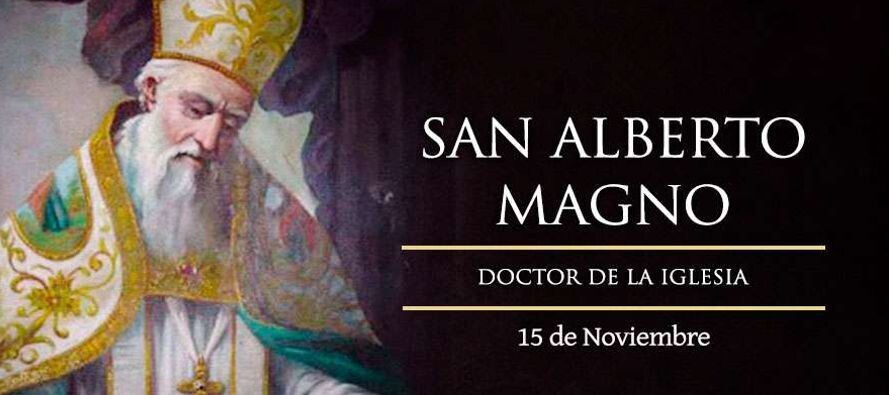
Saint Albert, also known as Albert the Great, was a bishop and doctor of the Church who passed away on November 15, 1280, in Cologne. He joined the Order of Preachers in Paris and was prominent for teaching philosophical and divine disciplines both in his writings and orally. He was recognized for being the teacher of Saint Thomas Aquinas, extraordinarily combining the wisdom of the saints with human and natural sciences.
Albert donned the habit of the preaching friars in 1229 and moved to Cologne, where he taught in the public square, which today bears his name, due to the high attendance of students in his classes. Later, he was appointed bishop of Regensburg, but despite his elevated position, he maintained total detachment from earthly goods. Canonized in 1931, he was proclaimed the patron of scientists and stood out for his role in the maturation of scholasticism.
Saint Albert resigned from his episcopal office to return to the common life of the convent and continue teaching at the University of Cologne. Preparing for his death, he ordered the construction of his tomb in front of which he prayed daily the Office of the Dead. Born in Lauingen, Bavaria, in the early 13th century, Saint Albert received the titles of "Great" and "Universal Doctor" due to his extensive teaching work in various European cities.
