


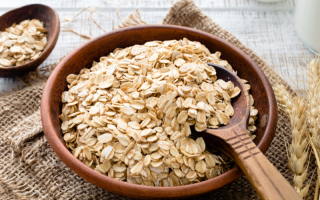
Scientists from the University of Bonn have found that consuming oatmeal for just two days helps lower cholesterol levels and boost metabolism, with effects lasting for several weeks. The study, published in Nature Communications, involved 68 people with metabolic syndrome—a combination of being overweight, high blood pressure, and abnormal blood sugar and fat levels. In the first experiment, participants consumed 80 grams of oatmeal daily. For two days, they followed a diet consisting almost exclusively of oatmeal, which led to a 10% reduction in 'bad' cholesterol, an average weight loss of 2 kg, and improved blood pressure. To prevent bias in the evaluation, biological samples (blood and stool) and physiological measurements were collected in a 'blind' manner, where researchers did not know which group the samples belonged to. The team conducted five assessments: before the diet change, immediately after two days of oatmeal consumption, and then three more after two, four, and six weeks. In the second part of the study, participants also consumed 80 grams of oat flour daily for six weeks. The researchers note that a short-term oat-based diet can alter the gut microbiome and metabolism, contributing to lower cholesterol and better vascular health. This effect can last up to six weeks. Experts attribute these results to oatmeal's ability to stimulate the growth of beneficial gut bacteria that produce substances affecting cholesterol metabolism. Additionally, valeric acid regulates fat levels, while histidine breakdown products reduce the risk of insulin resistance, a leading cause of diabetes. The control group followed a low-calorie diet without oatmeal, and their improvements were less pronounced.